
What Happens at a Bail Hearing?
Learn what happens at a bail hearing, how judges set bail, what factors matter, and what to expect if you need fast release help in Idaho.
LEGAL AND BAIL BONDS
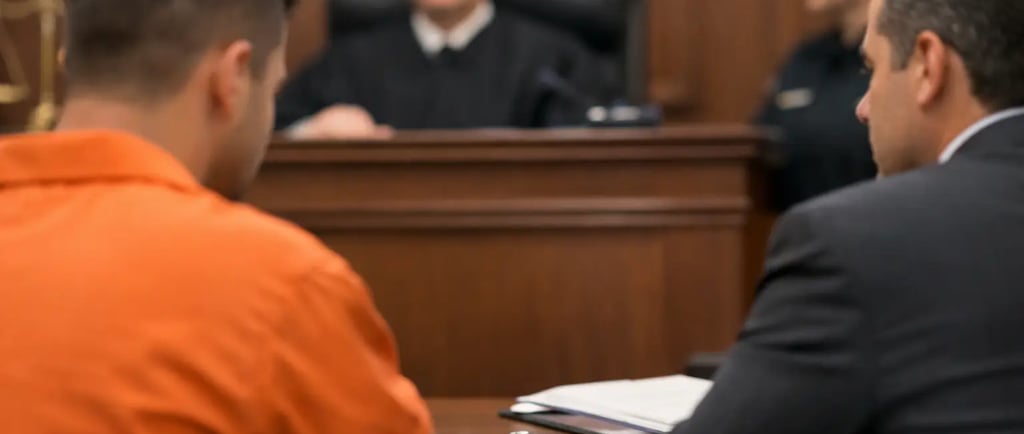
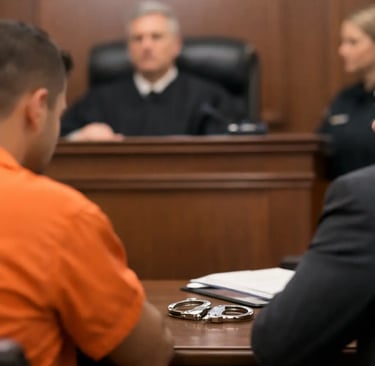
An arrest moves fast. One minute your phone rings, and the next you are trying to figure out what happens at a bail hearing, how soon release can happen, and what you are supposed to do first. That uncertainty is often the hardest part. The good news is that a bail hearing is usually focused, fairly short, and built around one main question - can the person be released while the case is pending, and under what conditions?
If you are dealing with this in Idaho, it helps to know that the hearing is not a trial. The judge is not deciding guilt or innocence. The court is deciding whether the defendant can be released, whether bail should be set, and what conditions need to be followed after release.
What happens at a bail hearing in court
At a bail hearing, the defendant appears before a judge, usually soon after arrest. In some cases, this happens at the first appearance. The judge reviews the charges, confirms the defendant's identity, and looks at whether release is appropriate. The prosecutor may argue for a higher bail amount or for stricter conditions. The defense may ask for lower bail or for release on recognizance, which means release without having to post a money bond.
This part can feel formal, but the issues are usually straightforward. The court wants to know whether the person is likely to return for future court dates and whether release would create a safety risk. Those two concerns drive most bail decisions.
In many hearings, the judge will also explain basic rights, future court dates, and what happens if release conditions are violated. If bail is set, the amount may be announced right there in court.
What the judge looks at before setting bail
People often assume bail is based only on the charge. That is part of it, but it is not the whole picture. Judges usually consider several factors together.
The seriousness of the alleged offense matters. A low-level nonviolent charge is often treated differently than a felony involving violence, weapons, or repeated criminal allegations. Criminal history also matters, especially prior failures to appear, probation violations, or prior new arrests while out on release.
The judge may also consider ties to the community. A person with a local job, stable housing, family in the area, and a record of showing up to court may be seen as a lower flight risk. On the other hand, if the court believes the person may leave the area or ignore court orders, bail may be higher or release may be denied.
Public safety is another major issue. If the accusation involves threats, domestic violence, repeat offenses, or concerns about witness intimidation, the judge may impose stricter conditions. In some situations, the court may require no-contact orders, substance testing, GPS monitoring, or regular check-ins.
Possible outcomes at a bail hearing
There is no single result in every case. What happens at a bail hearing depends on the charge, the person's record, and the judge's view of risk.
One possibility is release on recognizance. That means the person is released based on a promise to return to court, without having to post a financial bond. This is more common in lower-risk cases.
Another possibility is that the judge sets cash bail or a surety bond. If that happens, the defendant usually cannot leave custody until the bail requirement is satisfied. For many families, that is the point where a bail bond company becomes part of the process.
The judge may also set release conditions. These can include travel limits, no alcohol or drug use, no contact with an alleged victim, firearm restrictions, curfews, or electronic monitoring. Sometimes the money amount is manageable, but the conditions are what shape daily life after release.
In more serious cases, the court can deny release altogether, at least at that stage. That does not happen in every case, but it is possible when the judge believes the risk is too high.
How long does a bail hearing take?
Most bail hearings are brief. Some last only a few minutes. That does not mean they are unimportant. A short hearing can still have a major effect on how quickly someone gets out and what the next few weeks or months look like.
The speed often depends on how crowded the court calendar is, whether the defendant already has counsel, and whether there are special issues the judge wants addressed. If the facts are disputed or the charges are especially serious, the discussion may take longer. But in many routine cases, the court gets to the decision quickly.
That is one reason families should be ready to act fast after bail is set. Once the court gives a release amount and conditions, delays often come from paperwork, payment arrangements, jail processing, and communication gaps, not the hearing itself.
What happens after bail is set
Once the judge sets bail, the next step is meeting that requirement so the person can be released. If the court requires cash bail, the full amount may need to be paid directly to the court. If a surety bond is allowed, a licensed bail bondsman can post the bond on the defendant's behalf.
This is where many people get stuck. They hear the amount in court but do not know what it means in practical terms. They may not have the full cash amount available, or they may not know what paperwork the jail needs before release can happen. The process can move quickly, but only if the next step is handled right away.
A bail bond company can explain the bond amount, what is needed to post it, whether a co-signer is required, and what release conditions the defendant must follow. In Idaho, speed matters because every hour in custody affects work, family responsibilities, and peace of mind.
What can make bail higher or lower?
Bail is not random, and it is not always fixed forever. Some things push it up, and some things help bring it down.
A higher bail amount is more likely when the charge is serious, the defendant has a history of missing court, or the facts suggest a safety concern. Prior warrants, repeat arrests, and probation problems can also make the judge less comfortable with release.
A lower amount is more likely when the person has strong local ties, little or no criminal history, and a charge that does not suggest danger or flight. Respectful conduct in court and clear information from the defense about work, family, and residence can also help. It depends on the case, but judges generally want enough assurance that the defendant will return and follow the rules.
If the initial amount seems too high, the defense may later ask the court to reconsider. That does not guarantee a change, but bail can sometimes be modified.
Common misconceptions about bail hearings
A lot of people think a bail hearing is the time to prove innocence. It is not. The court is usually not weighing the entire case in detail. The focus is release.
Another common misunderstanding is that paying bail makes the case go away. It does not. Bail only deals with whether the defendant stays in jail or is released while the criminal case moves forward.
People also assume release means total freedom. Often, it does not. The judge may impose strict conditions, and breaking them can lead to arrest, bond revocation, or new charges.
Finally, some families think they have plenty of time to make decisions after the hearing. In reality, fast action can make a big difference. If bail is set and everyone is waiting on calls, forms, or payment arrangements, release can be delayed longer than necessary.
How to be prepared when a loved one has a bail hearing
The best approach is simple. Get the basic case information, find out where the person is being held, confirm the court date or first appearance, and be ready to respond once the judge makes a decision. If bail is likely to be set, it helps to talk with a licensed local bondsman early so you know what to expect.
For families under pressure, the biggest benefit is having someone explain the process in plain English. You do not need a law school breakdown in the middle of a crisis. You need to know the amount, the conditions, the timeline, and the fastest path to release.
That is why many Idaho families turn to experienced local help when the court sets bond. A company like Idaho Bonding Company can step in quickly, explain the next move, and help remove some of the confusion from a stressful day.
A bail hearing can feel intimidating, but the purpose is narrower than most people think. It is about release, risk, and conditions - not a final judgment. When you understand that, the process gets a little less overwhelming, and the next step becomes much clearer.
Contact us!
Local • Reliable • Experienced • Fast
Contact us anytime at 208-890-2339 or info@idahobondingcompany.com
We proudly serve Boise, Meridian, Caldwell, Payette, Mountain Home, Idaho Falls, Sun Valley, Coeur d'Alene, Wallace, Mccall, Murphy and all of Idaho.
Call us if you need information or are ready to meet a licensed bail bondsman. We serve Boise, Meridian, Caldwell, Twin Falls, Mountain Home, Coeur d'Alene and all of Idaho. We are available 24 hours a day.
Boise Office:
2604 N Cole RD
Ste 100
Boise ID 83704
Mountain Home:
155 E 2nd N St
Mountain Home ID 83647