
GPS Ankle Monitoring Services in Idaho
Learn how gps ankle monitoring services Idaho work, who may qualify, what to expect, and how fast local support can help after arrest.
LEGAL AND BAIL BONDS
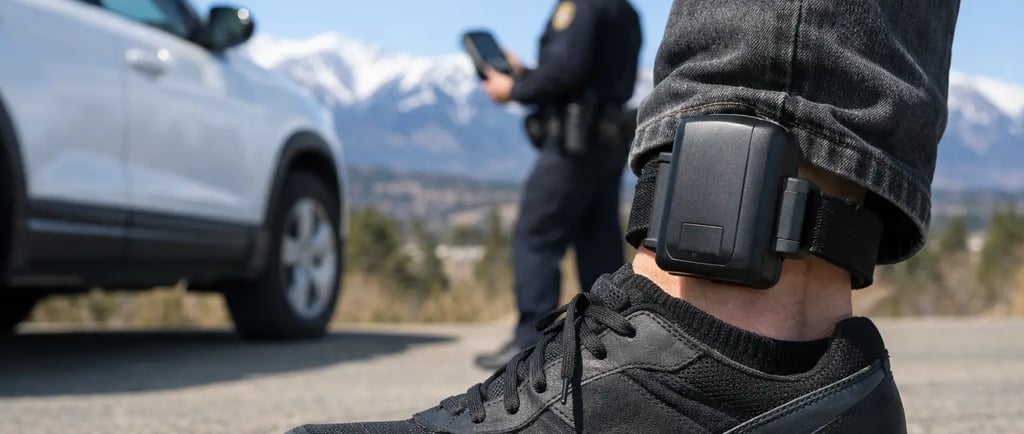
When a loved one is in jail, every hour feels longer than it should. In many cases, gps ankle monitoring services Idaho families ask about can be part of the path to release, but the details matter. Whether a judge orders monitoring as a condition of release or it is offered as part of a supervised arrangement, people usually want the same thing - a clear answer, fast.
This is where confusion can cost time. GPS monitoring is not the same as posting bond, and it is not available in every case the same way. It may be required by the court, tied to pretrial release terms, or used to add accountability while someone awaits their next hearing. The key is understanding what it does, what it does not do, and what needs to happen next.
How gps ankle monitoring services Idaho usually work
A GPS ankle monitor is a tracking device worn around the ankle to verify a person's location and movement based on the terms set by the court or supervising authority. In practical terms, it allows monitoring of where someone is supposed to be, where they are not allowed to go, and whether they are following release conditions.
For families dealing with an arrest, that can bring some relief. A person may be allowed out of custody under stricter supervision instead of remaining in jail, depending on the charge, risk level, court orders, and local procedures. That does not mean GPS monitoring is automatic. It is one tool used in certain cases, and approval depends on the situation.
Some people are placed on house arrest or home detention with approved travel for work, medical visits, court, or meetings with counsel. Others may have exclusion zones, curfews, or victim stay-away requirements. In more serious cases, the level of supervision may be tighter. The exact rules are set case by case.
When GPS monitoring may come up after an arrest
Most people do not start by asking for a monitor. They start by asking, "How do we get them out now?" That is the right question. Release decisions usually involve bond amount, court conditions, criminal history, the nature of the current charge, and whether the court believes added supervision is necessary.
GPS monitoring often comes into the conversation when the court wants more oversight than a simple promise to appear. It may be considered in domestic violence cases, repeat offenses, higher-risk pretrial situations, or matters where geographic restrictions are especially important. It can also show the court that there is a structure in place for accountability.
Still, there are trade-offs. Monitoring may help secure release in one case, while in another case the judge may deny release altogether or require additional conditions. There is no honest one-size-fits-all answer here. Anyone promising that GPS guarantees release is overselling it.
What families should expect from the process
If GPS monitoring is ordered or approved, speed matters. The release process can involve court paperwork, approval steps, setup instructions, and coordination between the jail, the supervising party, and the service provider. Delays usually happen when people do not know who is responsible for what.
A good local team helps cut through that confusion. Families should expect a straightforward explanation of fees, installation timing, reporting expectations, and the rules that come with the device. If there is a curfew, travel limit, charging requirement, or check-in protocol, that needs to be explained in plain English from the start.
People also need to understand that wearing the monitor is only part of compliance. Missing court, violating a stay-away order, leaving an approved area, tampering with the device, or letting the battery die can all create serious problems. In some cases, a violation can lead to immediate action and a return to custody.
Cost, flexibility, and why the cheapest option is not always the best
When families are already dealing with bond costs, towing, missed work, and legal expenses, the price of monitoring matters. That is real. But the cheapest service is not always the safest choice if it means poor communication, slow setup, or unclear rules.
What you want is dependable service and quick response. If the device malfunctions, if a schedule needs to be confirmed, or if there is confusion about approved travel, you need to be able to reach a real person. In high-stress cases, bad communication turns small issues into bigger ones.
This is also where payment flexibility can matter. Many Idaho families are not working with unlimited money. They are trying to solve an urgent problem without making the next month impossible. A service-driven local company understands that pressure and should be able to explain options clearly instead of talking around them.
Why local experience matters with gps ankle monitoring services Idaho
Rules may sound simple on paper, but real cases are not simple. Courts, jails, release timelines, and supervision expectations can vary by county and by case type. Local experience matters because timing, paperwork, and communication all affect how quickly someone can move from custody to release.
A team that regularly helps people in Boise, Meridian, Caldwell, Mountain Home, and across Idaho understands the pace and pressure of these situations. They know families are not calling for a legal lecture. They are calling because they need action, clarity, and someone who will answer the phone when things feel like they are falling apart.
That is especially true when GPS monitoring is tied to bail support. Bond and monitoring may be connected in the real-world release process even when they are technically separate requirements. Families often need help seeing the full picture - what has been ordered, what must be paid, what happens first, and what could delay release.
Common mistakes that cause setbacks
The biggest mistake is waiting too long to ask questions. Families sometimes assume the jail will explain every next step, or they think the court order is self-executing and release will happen on its own. That can waste valuable time.
Another common mistake is treating GPS monitoring like a formality. It is not just a strap-on device and a signature. The person being monitored must follow the rules exactly. Even avoidable issues like poor charging habits or missed communications can be interpreted as noncompliance.
A third mistake is not being honest about work schedules, transportation, home address, or other practical details. If a person needs permission to travel for work or treatment, that should be handled upfront. Clear information at the beginning usually prevents problems later.
What to ask before agreeing to monitoring
If GPS monitoring is part of the release plan, ask who is ordering it, who receives alerts, what the daily expectations are, and what costs are due at setup versus over time. Ask what happens if the device needs service, how location restrictions are explained, and who to contact after hours.
You should also ask how this fits with the rest of the release conditions. Is there a curfew? Are there exclusion zones? Is work travel allowed? Are there specific court dates or check-ins that must happen alongside the monitoring? The more direct the answers, the fewer surprises later.
For many families, the best help comes from a local company that can coordinate quickly and explain things without making the process harder than it already is. Idaho Bonding Company serves people who need that kind of immediate, practical support when time matters most.
If you are dealing with an arrest and trying to figure out whether GPS monitoring is part of the release process, focus on getting accurate answers fast. The right help should make the next step clear, not more confusing, and that can make all the difference on a hard day.
Contact us!
Local • Reliable • Experienced • Fast
Contact us anytime at 208-890-2339 or info@idahobondingcompany.com
We proudly serve Boise, Meridian, Caldwell, Payette, Mountain Home, Idaho Falls, Sun Valley, Coeur d'Alene, Wallace, Mccall, Murphy and all of Idaho.
Call us if you need information or are ready to meet a licensed bail bondsman. We serve Boise, Meridian, Caldwell, Twin Falls, Mountain Home, Coeur d'Alene and all of Idaho. We are available 24 hours a day.
Boise Office:
2604 N Cole RD
Ste 100
Boise ID 83704
Mountain Home:
155 E 2nd N St
Mountain Home ID 83647